Quality & Grading
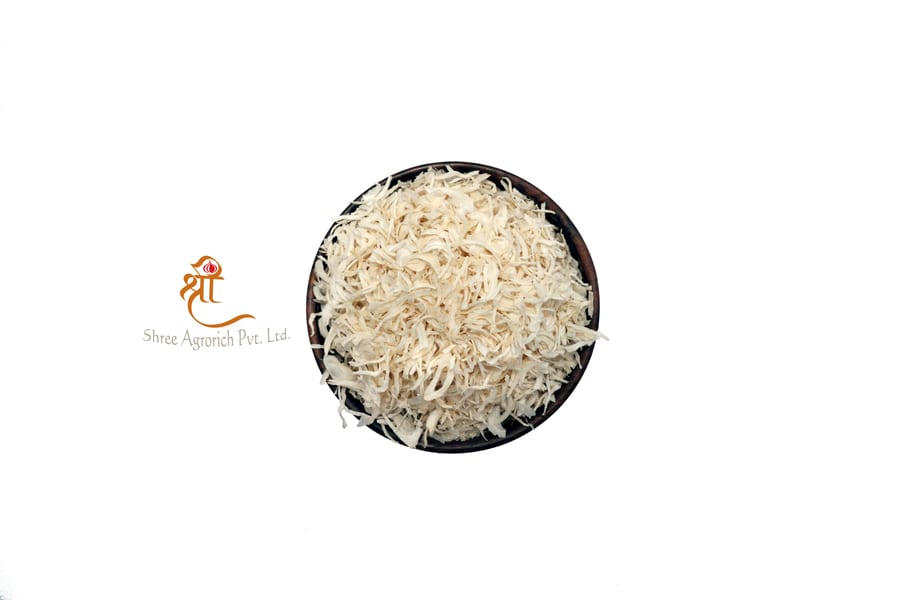
Dehydrated onions are a staple ingredient in soups, seasonings, snack coatings, ready meals, and fast food. But sourcing the wrong quality can mean rejected shipments, customer complaints, or product failures — especially when your buyers are in Europe, Japan, or the Gulf.
Here are the six parameters every procurement team should verify before committing to a supplier.
Quick summary: Moisture ≤5%, colour L* value ≥70, pungency test, total plate count ≤10,000 CFU/g, consistent granule size, and shelf life of 18–24 months when stored at 25°C in sealed packaging.
Excess moisture leads to clumping, mould growth, and shortened shelf life. Reputable exporters measure moisture using Karl Fischer titration or a moisture analyser. Ask for test reports with every lot — a good supplier will provide them without hesitation.
Colour is the first thing your end buyer sees. Proper dehydration at controlled temperatures (55–65°C) preserves the natural cream-white colour of white onion flakes. Yellowing or browning indicates high-temperature drying, old raw material, or improper storage. Ask for CIE L* value readings — premium white onion should show L* ≥70.
The natural sulphur compounds that give onions their flavour are volatile. Low-quality dehydration or old stock loses this pungency, producing a bland product that disappoints in cooking. A simple rehydration and smell test is a reliable on-site check.
Total Plate Count (TPC), Salmonella, and E. coli testing are non-negotiable for food manufacturers. Your supplier should provide NABL-accredited lab reports with each shipment. ISO 22000-certified facilities carry out in-process microbiological monitoring to catch contamination before packing.
Whether you need flakes (4–8 mm), chopped (2–4 mm), minced (1–2 mm), granules (0.5–1 mm), or powder (<0.5 mm), consistency matters for even seasoning coverage and machine dosing accuracy. Ask for sieve analysis data and inspect a sample.
Proper packaging — multi-layered kraft bags with inner polyethylene lining, or vacuum-sealed pouches — extends shelf life significantly. Confirm the packaging material, bag weight (typically 10 kg or 25 kg), and storage instructions. A reputable supplier will conduct accelerated shelf-life studies.
At Shree Agrorich, we share full lot-wise test reports, welcome facility visits, and maintain ISO 22000 and FSSAI certification. Our dehydrated white, pink, and red onion consistently meets EU and Gulf food safety requirements.
We'll send a product sample with a complete Certificate of Analysis — no commitment required.
Request Sample on WhatsApp